When DIY Wildlife Removal Becomes Risky and Professional Help Is Needed
When DIY wildlife removal becomes risky and professional help is needed, local contractors can safely and effectively handle animal infestations to prevent damage and health issues.
Many property owners encounter situations where wildlife has taken up residence in or around their homes, leading to the question of whether DIY wildlife removal is a viable option. While some minor issues might seem manageable, attempting to handle wildlife problems without professional assistance can quickly become risky. Wildlife can carry diseases, and improper removal methods can cause further damage or lead to animals becoming trapped inside walls or attics. Understanding when wildlife removal becomes risky helps property owners recognize the importance of reaching out to experienced service providers who have the knowledge and tools to handle these situations safely and effectively.
Local service providers specializing in wildlife removal are equipped to address these challenges with practical solutions designed to protect both residents and the animals involved. They can assess the situation, identify entry points, and implement humane removal and exclusion strategies that prevent future issues. Property owners exploring this topic are encouraged to keep reading to learn more about the signs indicating when professional help is necessary and how local contractors can assist in resolving wildlife conflicts efficiently and safely.
- Bird exclusion - when DIY methods fail to effectively prevent birds from nesting in eaves or vents, local contractors can professionally install humane exclusion devices.
- Rodent trapping and removal - if attempts to trap rodents lead to ongoing activity or discovery of nesting sites, local service providers can safely remove and seal entry points.
- Bat removal and exclusion - when DIY efforts risk disturbing colonies or fail to eliminate bats safely, local pros utilize specialized techniques to remove bats and prevent re-entry.
- Wildlife habitat modification - if DIY cleanup and deterrents do not resolve ongoing wildlife presence, local contractors can implement targeted habitat modifications to discourage return.
- Animal carcass removal - when carcasses are hidden or inaccessible, local professionals can safely locate and remove remains to prevent health hazards and odors.
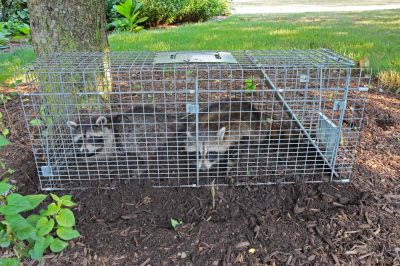
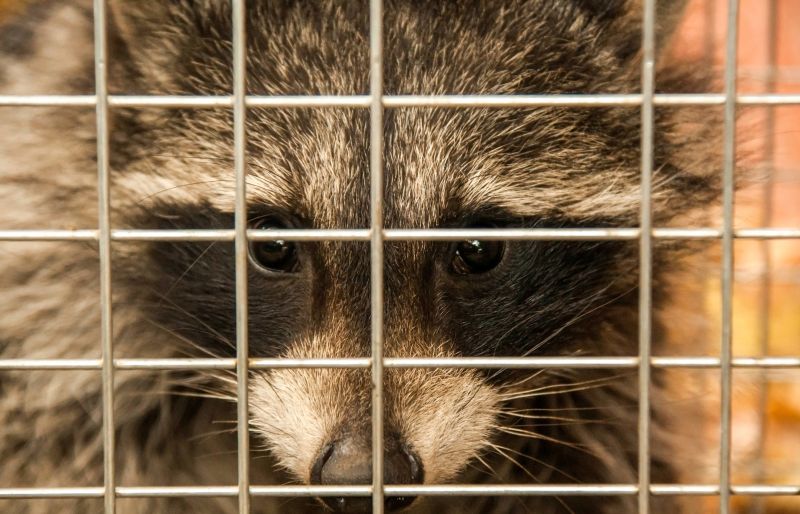
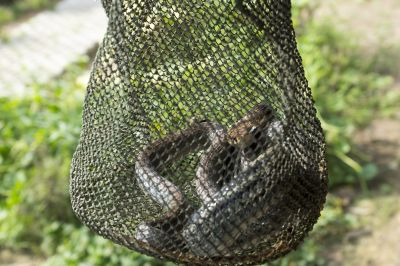
When people search for when DIY wildlife removal becomes risky and professional help is needed, they are often concerned about handling unwanted animals on their own. Many homeowners consider removing animals such as raccoons, squirrels, bats, or birds from their property to save money or avoid hiring professionals. However, these projects can quickly become complicated and dangerous if not approached with proper knowledge and equipment. The risks involved include injury from bites or scratches, exposure to diseases carried by wildlife, and the potential for property damage if animals are not removed correctly. As a result, understanding the limits of DIY efforts is crucial to avoiding accidents and ensuring the problem is addressed effectively.
These concerns are typically related to issues like animals nesting in attics, crawl spaces, or wall cavities, or animals causing damage to roofs, vents, and siding. Homeowners often plan to trap and remove the animals themselves or seal entry points without fully understanding the complexity of the situation. Problems such as persistent animal presence, repeated entry attempts, or signs of illness or distress in the wildlife indicate that the situation might be more dangerous or difficult than it appears. Many property owners also seek advice on how to prevent future intrusions, which can involve detailed inspections and repairs best handled by experienced service providers. Recognizing when DIY wildlife removal is no longer appropriate helps prevent ongoing damage and health risks.
Properties that frequently come up in these discussions tend to be residential homes, especially those with attics, basements, or roof vents that provide easy access for wildlife. Older houses with gaps in the siding, damaged soffits, or poorly sealed windows are common targets for animal entry. Additionally, sheds, garages, and outbuildings can become habitats for wildlife if not properly maintained. Commercial properties, particularly those with storage areas or less frequent inspections, can also encounter wildlife issues that require professional intervention. In all cases, the complexity of the property’s structure and the type of wildlife involved influence whether a DIY approach is feasible or if professional services are the safer, more effective choice.
Understanding when DIY wildlife removal becomes risky and professional help is needed is essential for homeowners facing these challenges. While small or straightforward cases might be manageable with proper guidance, more complicated situations often demand specialized tools, knowledge, and experience. Local service providers are equipped to handle these scenarios safely, ensuring that animals are removed humanely and property damage is minimized. They also understand how to identify signs of health risks or structural issues that could worsen if not addressed properly. Connecting with experienced wildlife removal professionals can help property owners resolve their issues efficiently, avoiding the potential dangers and pitfalls associated with attempting removal without expert assistance.
Attic Insulation Installation - Proper insulation installation requires knowledge of wildlife entry points and safe removal techniques, making professional services essential when DIY efforts become risky.
Gutter Cleaning and Maintenance - Removing debris and repairing gutter systems can involve encounters with animals nesting in these areas, highlighting the need for experienced contractors.
Bird and Bat Exclusion Projects - Installing exclusion devices to prevent future entry involves understanding animal behaviors and safe sealing methods that professionals are skilled in.
Structural Repairs after Wildlife Damage - Repairing chewed wiring, damaged wood, or compromised vents often requires specialized tools and planning beyond typical DIY skills.
Pest and Wildlife Damage Cleanup - Cleaning up droppings and contaminated materials involves safety precautions and proper disposal methods best handled by trained service providers.
Roof and Chimney Repairs - Accessing and repairing roofs or chimneys affected by wildlife can be dangerous without proper equipment and expertise, making professional help advisable.
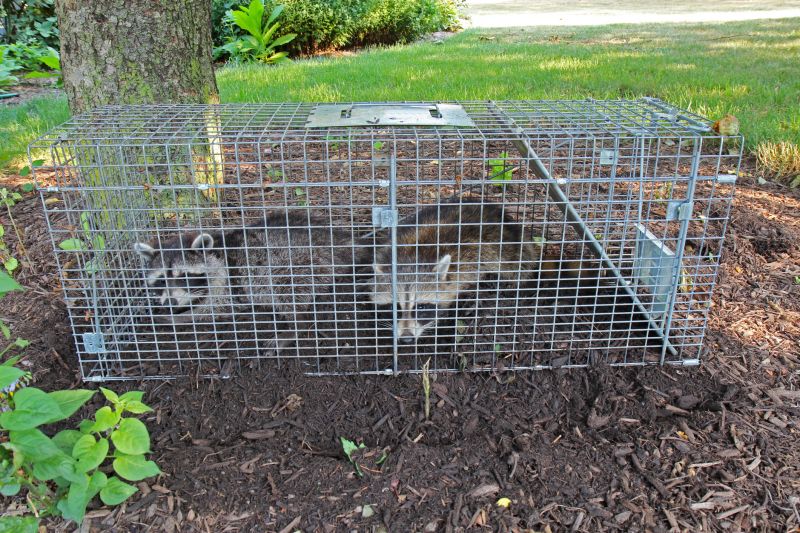
When evaluating wildlife removal services, it is important for homeowners to consider the experience of the service providers with similar projects. Local contractors who have handled wildlife issues comparable to the current situation are more likely to understand the nuances involved and implement effective solutions. While experience alone does not guarantee quality, it provides a level of confidence that the service provider is familiar with common challenges and safety considerations associated with humane and effective wildlife removal.
Clear written expectations are essential when comparing local pros. Homeowners should seek detailed information about the scope of work, methods used, and any guarantees or warranties offered. Having these expectations documented helps prevent misunderstandings and ensures that both parties are aligned on what will be done. It also provides a reference point should questions or concerns arise during or after the project, making communication more straightforward and transparent.
Reputable references and good communication are key indicators of a trustworthy wildlife removal service provider. When considering different options, homeowners can ask for references from previous clients who had similar wildlife issues. This feedback, along with observing how promptly and clearly the service provider responds to inquiries, can reveal their professionalism and reliability. Effective communication ensures that homeowners are kept informed throughout the process and can make well-informed decisions about when professional help is the best choice, especially when DIY wildlife removal becomes risky and professional help is needed.
Property owners often search for when DIY wildlife removal becomes risky and professional help is needed when they are planning practical projects around their homes and businesses. Local pros provide Wildlife Removal services for everyday jobs and straightforward project options.
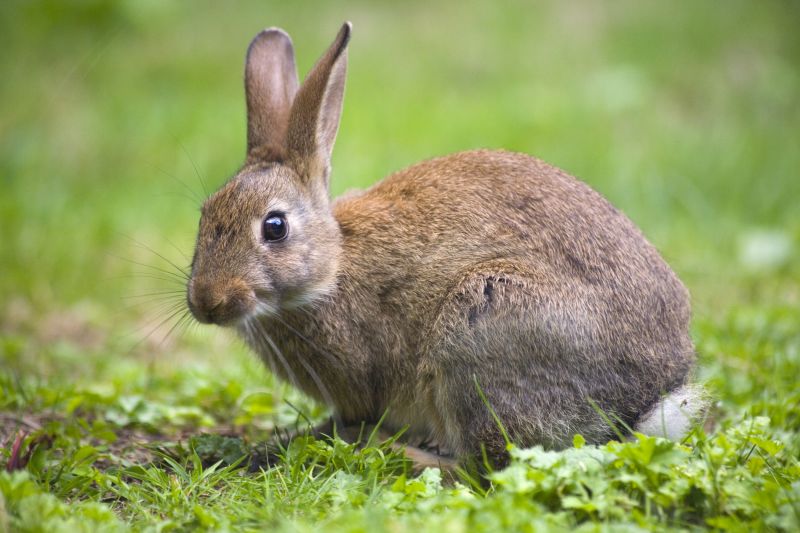
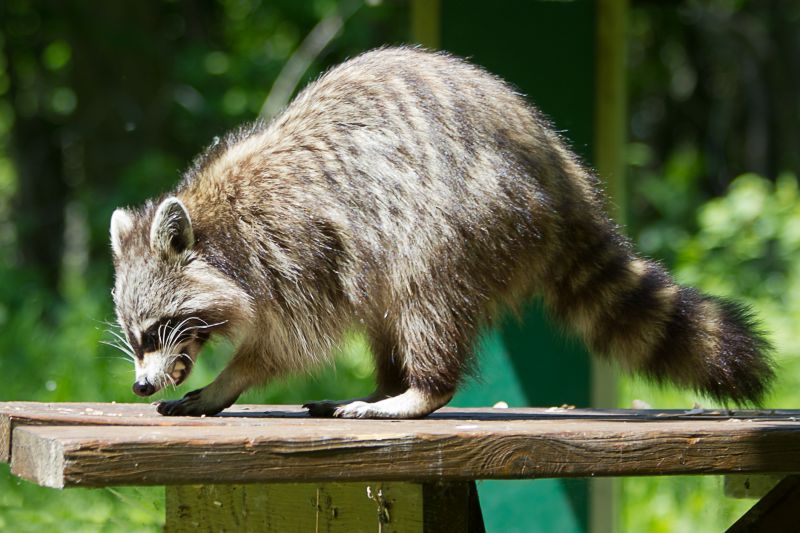
Homeowners often attempt to handle wildlife intrusions themselves when they notice pests like raccoons, squirrels, or birds in attics, walls, or chimneys. These simple projects may seem manageable at first, especially if the animal appears to be trapped or inactive. However, wildlife removal can quickly become risky if the animal is aggressive, injured, or if the property owner is unsure about how to safely and humanely resolve the situation. In such cases, seeking help from local contractors experienced in wildlife removal ensures the problem is addressed effectively without putting personal safety or property at unnecessary risk.
Property owners in the area may look up this topic because they want to avoid the dangers associated with DIY wildlife removal, such as bites, scratches, or exposure to zoonotic diseases. Additionally, improper removal efforts can lead to further property damage or cause animals to relocate and create new entry points. When the situation involves difficult-to-reach areas, persistent animals, or signs of a larger infestation, it’s often best to rely on local service providers who specialize in humane and professional wildlife removal. These experts have the knowledge and tools to handle complex situations safely and efficiently.
When should I consider professional wildlife removal instead of attempting DIY methods? If wildlife has entered hard-to-reach areas, shows signs of health risks, or has caused structural damage, it is advisable to seek help from local contractors who specialize in safe and effective wildlife removal.
What risks are involved with DIY wildlife removal that make professional help necessary? DIY efforts can lead to injury, exposure to diseases, improper removal techniques, or the animals returning, which is why experienced service providers are recommended for complex situations.
How can I tell if wildlife removal has become too risky to handle alone? Signs include animals nesting in inaccessible locations, evidence of illness or injury, or if attempts to remove wildlife are unsuccessful, indicating that professional assistance is needed.
Are there situations where DIY wildlife removal could worsen the problem? Yes, improper trapping or sealing can cause animals to become more aggressive, spread diseases, or cause further damage, highlighting the importance of contacting local contractors for complicated cases.
What types of wildlife situations typically require professional intervention? Cases involving large or aggressive animals, animals in difficult-to-access areas, or ongoing infestations are best handled by local service providers with experience in complex wildlife removal.
Assessing wildlife activity - property owners can observe signs of animal presence and determine when professional wildlife removal services are needed to handle complex situations safely.
Identifying entry points - recognizing small or hard-to-reach openings can help decide when DIY efforts might be risky and when to seek help from local contractors.
Handling aggressive or injured animals - understanding when animals are too dangerous to manage alone emphasizes the importance of professional wildlife removal services.
Dealing with infestations in difficult areas - situations involving high or hard-to-access locations suggest that expert assistance is necessary to ensure effective and safe removal.
If you are thinking about when DIY wildlife removal becomes risky and professional help is needed for a property, this guide is meant to help you understand this topic, the typical project types, and how different options might fit your plans.
When you are ready, you can use the quote form on this page to share a few details about your project. From there, local pros can review the basics and follow up with options that match what you have in mind.