Compare Local Contractors for Small Animal Removal Services
Compare local contractors for small animal removal to define project scope, verify experience, and establish clear expectations in writing for a successful job.
Small animal removal services typically cover the identification, safe capture, and exclusion of animals such as raccoons, squirrels, bats, and other wildlife that may enter residential or commercial properties. These contractors are experienced in handling animals that have taken shelter within attics, walls, or crawl spaces, and they often provide solutions to prevent future intrusions. The scope of work can include inspecting the property for entry points, trapping or removing the animals, and sealing access points to ensure they do not return. Understanding the specific services offered helps property owners determine whether a contractor’s expertise aligns with the needs of their property.
Clearly defining the scope of work is essential for setting proper expectations and avoiding misunderstandings. Property owners should inquire about what is included in the removal process, such as whether the contractor will handle both the removal and exclusion or if additional services are necessary. Outlining the scope in writing can also help ensure that both parties agree on the responsibilities involved, such as post-removal cleanup or repairs. Having a detailed scope helps prevent surprises and provides clarity about what the contractor will deliver.
When comparing local contractors for small animal removal, it is useful to consider their experience with similar projects and the types of animals they handle. Property owners can review the services offered, verify that the contractor has a good reputation within the community, and ask for references or examples of past work. It’s also important to ensure that the scope of work is clearly outlined in writing, including the methods used for removal and exclusion. By evaluating these factors, property owners can make informed decisions and select service providers who are best suited to address their specific wildlife concerns.
Compare local contractors by outlining your priorities, verifying experience, and setting clear expectations in writing.
- Experience Verification - Confirm that contractors have relevant experience handling small animal removal safely and effectively.
- Scope Definition - Clearly define the scope of work to ensure all parties agree on the removal process and responsibilities.
- Written Agreements - Obtain detailed, written descriptions of the services to set clear expectations and prevent misunderstandings.
- Comparison of Service Providers - Evaluate multiple local service providers to identify those with proven expertise and transparent practices.
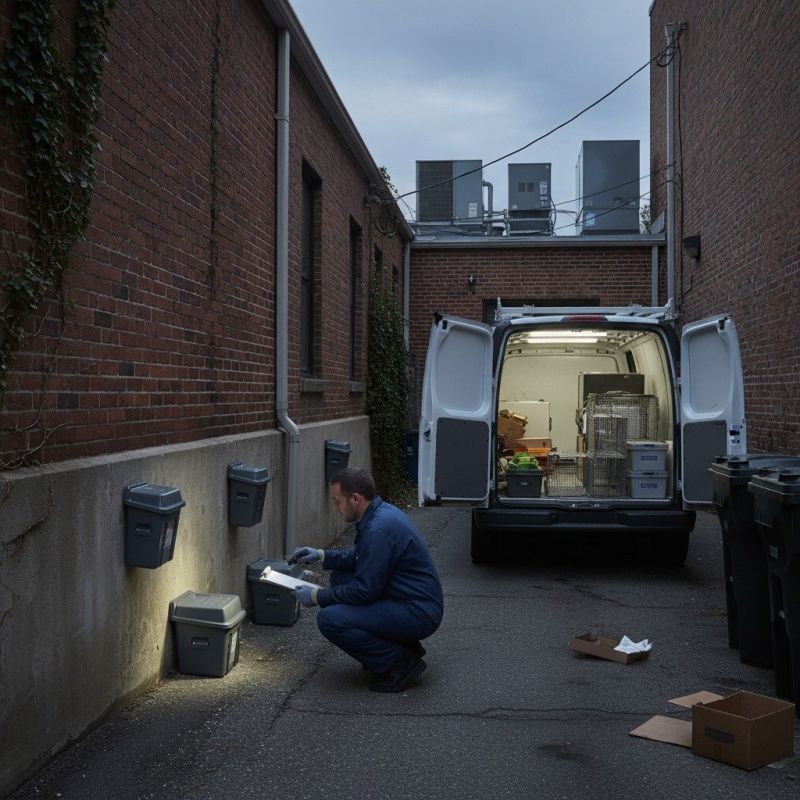
Clearly define your small animal removal project before comparing local contractors, verifying experience, and setting expectations in writing.
- Identify the types of small animals the contractor has experience removing, ensuring they are knowledgeable about local wildlife. - Verify that the scope of work is clearly defined and documented in writing before work begins.
- Assess whether the contractor provides a detailed explanation of removal methods and any necessary follow-up actions. - Confirm that the contractor follows humane removal practices aligned with local regulations and standards.
- Check if the contractor conducts a thorough inspection of the property to locate entry points and nesting areas. - Ensure that the scope includes sealing entry points to prevent future animal intrusions.
- Review the contractor’s process for cleanup and sanitation after removal to maintain property hygiene. - Determine if the contractor offers guidance on preventing future animal issues as part of the scope.
- Compare the experience levels and reputations of different local service providers to find a reliable match. - Make sure all work expectations and responsibilities are clearly outlined in a written agreement before hiring.
Compare local contractors to clarify scope, verify experience, and set clear expectations in writing.

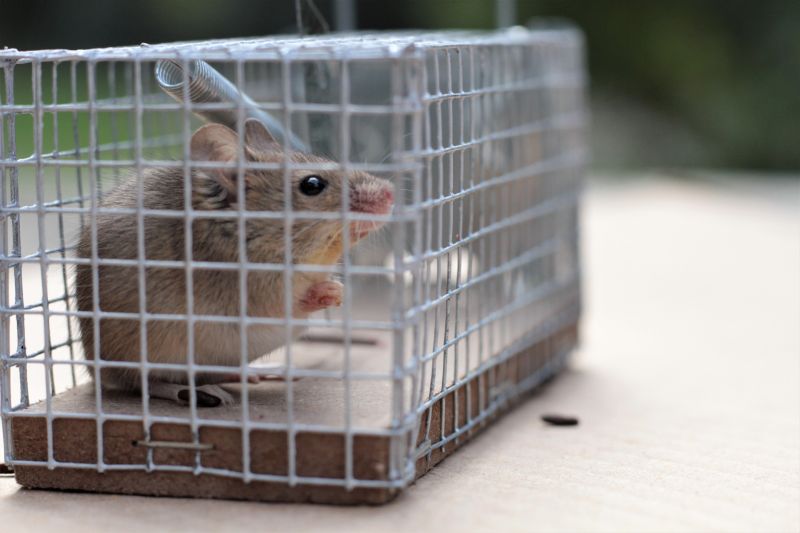
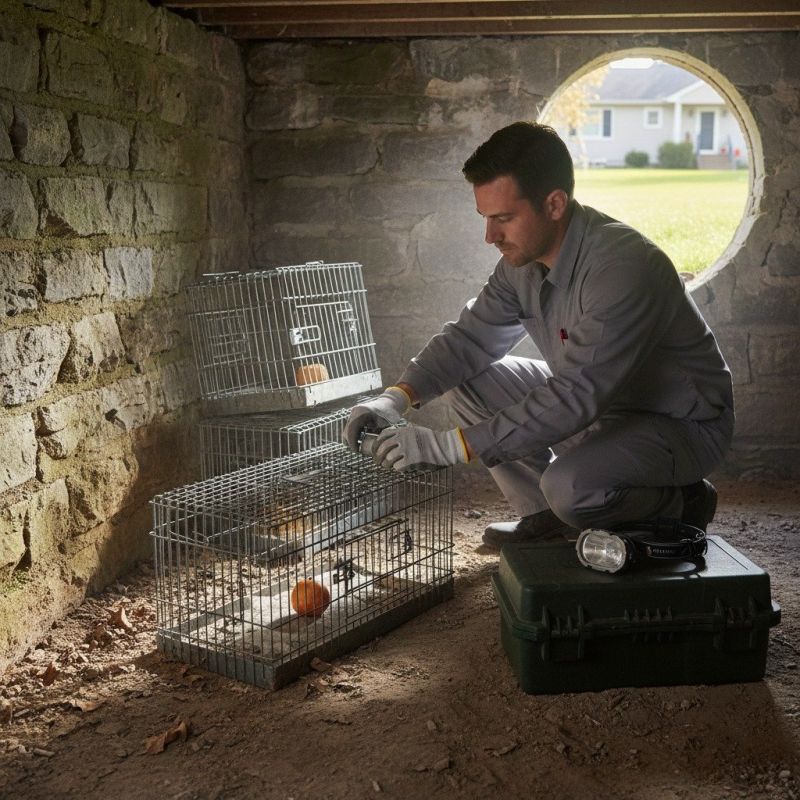
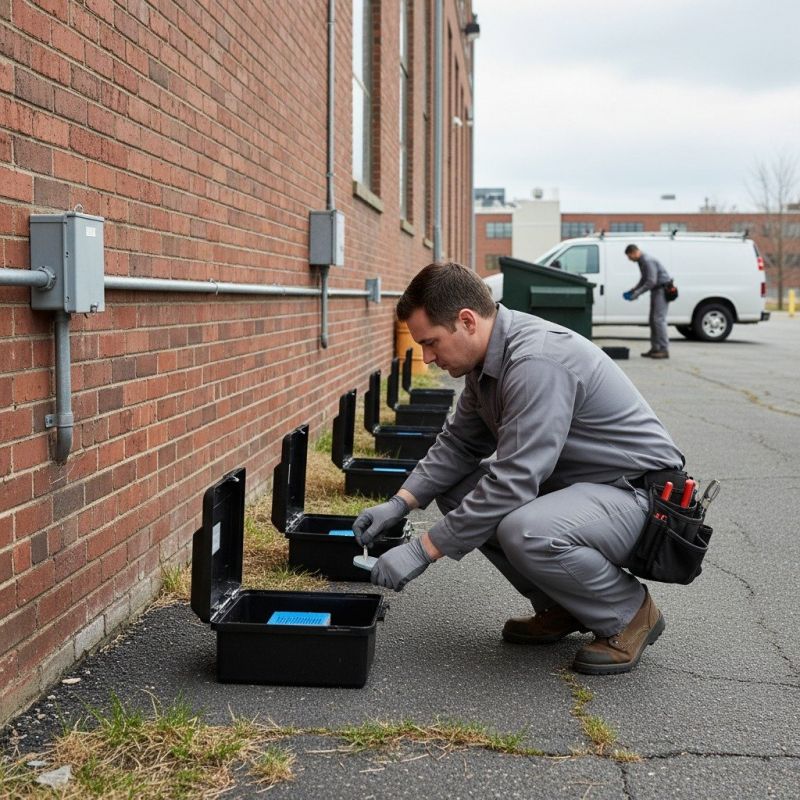
Use consistent scope definitions and verify experience to compare local contractors effectively for small animal removal.
- Define the scope of small animal removal services needed to ensure clarity on the specific animals and areas involved.
- Identify the experience and expertise of local contractors in handling small animal removal safely and effectively.
- Establish clear communication of the removal process and methods to set proper expectations for the service provided.
- Verify that the scope of work includes post-removal cleanup and prevention measures to address ongoing concerns.
- Document all details of the service scope in writing to facilitate comparison and ensure mutual understanding.
When evaluating contractors for small animal removal, it’s important to consider their experience with similar projects. Homeowners should inquire about the types of animals they have handled and the environments in which they have worked, such as attics, walls, or crawl spaces. A contractor with a proven track record in addressing the specific challenges of small animal removal can provide insight into their familiarity with effective techniques and common issues encountered during such jobs. This background helps ensure that the service provider has relevant expertise to manage the unique aspects of the project safely and efficiently.
A clear, written scope of work is essential when comparing contractors. This document should outline the specific tasks involved, including inspection, removal, cleanup, and any repairs or exclusions. Having a detailed scope helps prevent misunderstandings and sets expectations for what will be accomplished. Homeowners are encouraged to review the scope carefully, ensuring it covers all necessary steps and clarifies responsibilities. A well-defined plan also facilitates communication and provides a basis for evaluating whether the contractor’s approach aligns with the homeowner’s needs.
Verification of a contractor’s experience can be supported by requesting references or examples of completed projects similar to the one at hand. While formal licensing and certification are not always required, verifying a contractor’s background through references or prior work can provide reassurance about their capabilities. Homeowners should ask for details about past projects, including how challenges were addressed and the overall outcome. This due diligence helps to confirm that the service provider has the appropriate experience and a history of successful small animal removal.
When comparing options, it’s beneficial to focus on the clarity of communication and the thoroughness of the proposed approach. Homeowners should assess how well the contractor explains their process, the scope of work, and any potential considerations or limitations. Evaluating the professionalism of the proposal and the completeness of the information provided can help in selecting a service provider who is transparent and prepared to handle the project. Remember, the goal is to find local contractors who can clearly articulate their approach and demonstrate relevant experience, helping to ensure a smooth and effective small animal removal process.
Request written scope and service details to ensure clarity and consistency when comparing local contractors.
- Scope of Services - What specific tasks and methods do the local contractors include in their small animal removal services?
- Experience and Expertise - How do the local service providers demonstrate their experience handling different types of small animals?
- Qualifications and Certifications - What qualifications or credentials do the local contractors hold that support their ability to perform small animal removal?
- Scope Clarification - How will the local pros define and document the scope of work to ensure all expectations are clear?
- Comparison Factors - What criteria should be used to compare the scope and approach of different local contractors for small animal removal?
What should I consider when choosing a contractor for small animal removal? It's important to compare local contractors based on their experience, scope of work, and reputation. Ensuring clear communication about the services offered can help set proper expectations.
How can I verify a contractor's experience with small animal removal? Ask contractors about their previous work and request references or examples of similar jobs to assess their familiarity and expertise in handling small animals.
What details should be included in a written scope of work? A comprehensive scope should outline the specific animals to be removed, methods to be used, areas affected, and any follow-up or prevention measures agreed upon.
Why is it important to compare multiple service providers? Comparing different contractors allows for evaluating their approaches, experience, and professionalism, helping to find a reliable and suitable partner for the job.
What questions should I ask a contractor before hiring for small animal removal? Inquire about their experience, the techniques they use, how they handle unexpected issues, and whether they provide any guarantees or follow-up services.
How can I ensure the scope of work is clearly defined? Request a detailed written agreement that specifies the tasks, responsibilities, and expectations, reducing misunderstandings and ensuring all parties are aligned.
Homeowners now have access to a variety of local contractors specializing in small animal removal, allowing for comparison of services, scope, and experience. Understanding how to clearly define the work needed and verifying the background of service providers can help establish clear expectations and ensure the job is handled appropriately. Utilizing the quote form makes it simple to gather information and evaluate different options efficiently.
By taking the time to compare local contractors, homeowners can identify service providers who meet their specific needs and preferences. Filling out the quote form provides a straightforward way to connect with experienced professionals, helping to facilitate informed decisions. This process supports finding the right contractor for small animal removal without the need for commitments or assumptions.