Signs Wildlife Has Moved Into Your Attic, Walls, or Crawl Space
If signs wildlife has moved into your attic, walls, or crawl space, local contractors can identify the problem and safely remove the animals to protect your home.
Discovering signs that wildlife has moved into your attic, walls, or crawl space can be both concerning and confusing. Many property owners in the area notice unusual noises, such as scratching or scurrying sounds, especially during quiet times of the day or night. Other common indicators include droppings, chewed materials, or foul odors that seem to originate from hidden spaces within the home. Recognizing these warning signs early can help prevent further damage and health issues, making it important to explore options for professional wildlife removal services. Local contractors experienced in dealing with these intruders can assess the situation and safely remove any animals, ensuring your property remains secure and free of unwanted visitors.
Understanding the signs of wildlife intrusion is a practical step toward protecting your property. Animals like raccoons, squirrels, or bats often find their way into attics, walls, or crawl spaces through small openings or damaged areas. If left unaddressed, they can cause structural damage, create unsanitary conditions, or even pose health risks. Fortunately, local service providers who specialize in wildlife removal can offer effective solutions tailored to your situation. Keep reading to learn more about how to identify these signs and what steps can be taken to restore your home’s safety and comfort by connecting with trusted professionals in the area.
- Attic wildlife removal - when signs wildlife has moved into your attic, local contractors can assess and safely remove animals while sealing entry points.
- Wall intrusion cleanup - if you notice scratching or droppings inside walls, service providers can identify and remove the pests causing the damage.
- Crawl space wildlife control - signs wildlife has moved into your crawl space, such as odors or animal tracks, can be addressed by experienced specialists.
- Wildlife exclusion services - when animals are found in your attic, walls, or crawl space, local experts can install barriers to prevent future intrusions.
- Animal trapping and removal - if you detect signs wildlife has moved into your attic, professionals can trap and relocate the animals safely.
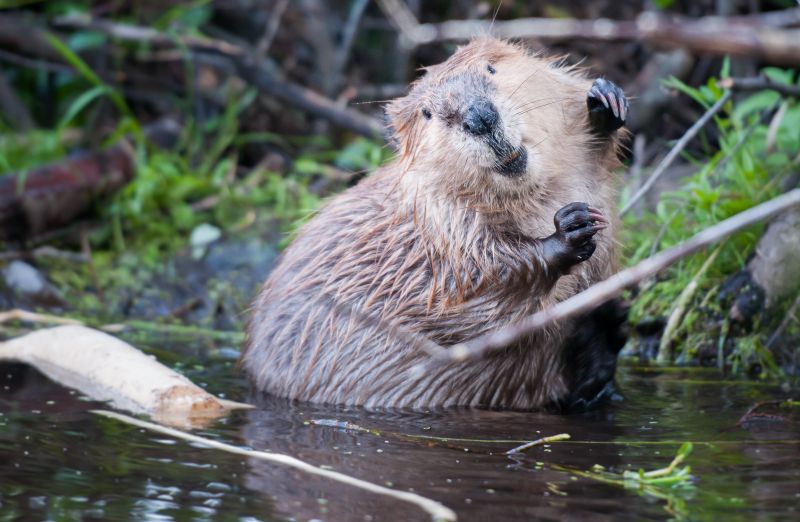
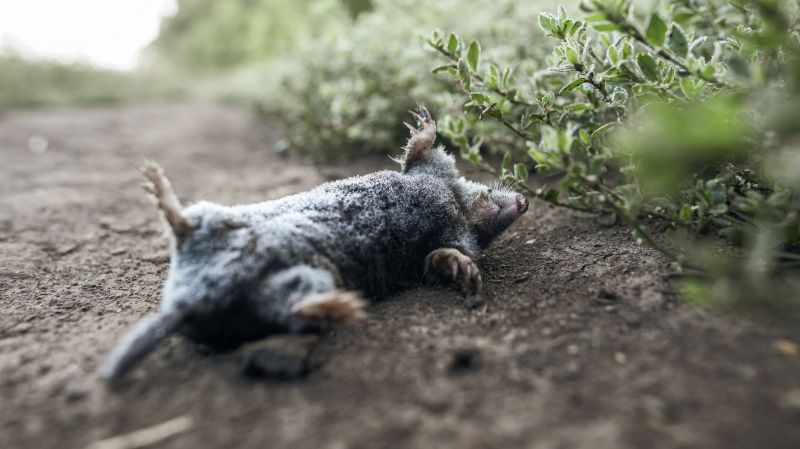
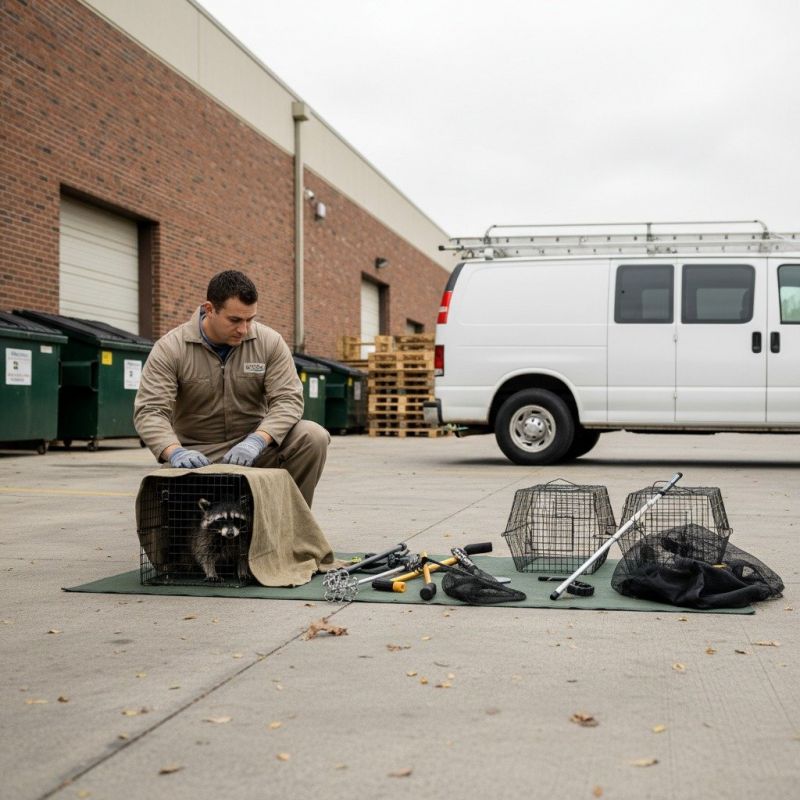
When homeowners notice unusual activity or damage in areas like the attic, walls, or crawl space, they often search for signs wildlife has moved into these parts of the property. This concern typically arises after discovering noises during the night, scratching sounds, or the presence of droppings and nesting materials where they shouldn’t be. People may also observe damage to insulation, chewed wiring, or holes in the walls and roof that suggest animals have gained access. Recognizing these signs early is important because wildlife in these hidden spaces can lead to further property damage, health risks from droppings or parasites, and increased noise levels. Understanding what to look for helps homeowners determine whether professional wildlife removal services are needed to address the problem effectively.
The presence of wildlife inside the home’s concealed areas often relates to larger property management or repair plans. For many, discovering animals in the attic, walls, or crawl space prompts urgent concerns about entry points that need sealing and property damage that must be repaired. Wildlife can cause structural issues, such as weakened insulation, damaged wiring, or compromised venting, which may lead to higher energy bills or safety hazards. Homeowners might also consider ongoing prevention strategies, including habitat modification or installing barriers to keep animals out. When signs of wildlife are detected, connecting with local service providers ensures that the removal process is handled properly, and that repairs and prevention measures are implemented to prevent future invasions.
Properties affected by wildlife in these hidden spaces vary widely, but common examples include single-family homes, historic houses, and rural properties with access to natural habitats. Attics and crawl spaces are especially attractive to animals like raccoons, squirrels, bats, and mice because they provide shelter, warmth, and safety from predators. These spaces are often difficult to inspect thoroughly without professional help, which is why signs of wildlife activity may go unnoticed for some time. Urban and suburban homes are also at risk, particularly if they have gaps or openings in the roofline, vents, or foundation. Recognizing the types of properties most likely to experience this issue can help homeowners stay vigilant and seek expert assistance when needed, ensuring the problem is resolved efficiently and safely.
Local wildlife removal service providers play a crucial role in addressing signs wildlife has moved into your attic, walls, or crawl space. These professionals are equipped to identify the specific species involved, safely remove the animals, and secure the property to prevent re-entry. They also handle necessary repairs, such as sealing entry points and restoring damaged insulation or wiring, to protect the home’s integrity. Working with experienced service providers ensures that the removal process is humane and effective, reducing the risk of future invasions and minimizing property damage. For homeowners noticing early signs of wildlife activity, connecting with trusted local contractors can help manage the situation promptly and prevent more serious issues down the line.
Attic insulation replacement - professionals can help identify and remove contaminated insulation caused by wildlife activity, ensuring the space is safe and pest-free.
Gutter and roof repairs - wildlife often gains access through damaged roofing or clogged gutters, making repairs essential to prevent re-entry.
Structural damage assessment - experts can evaluate and repair chewed or compromised walls, rafters, and other building components affected by animals.
Exclusion and sealing services - local contractors can install barriers and seals to block wildlife entry points in attics, walls, or crawl spaces.
Odor removal and deodorization - specialists can eliminate persistent smells caused by animal droppings or nesting materials inside the home.
Pest proofing and prevention - service providers can implement ongoing measures to keep wildlife from returning after removal and repairs.
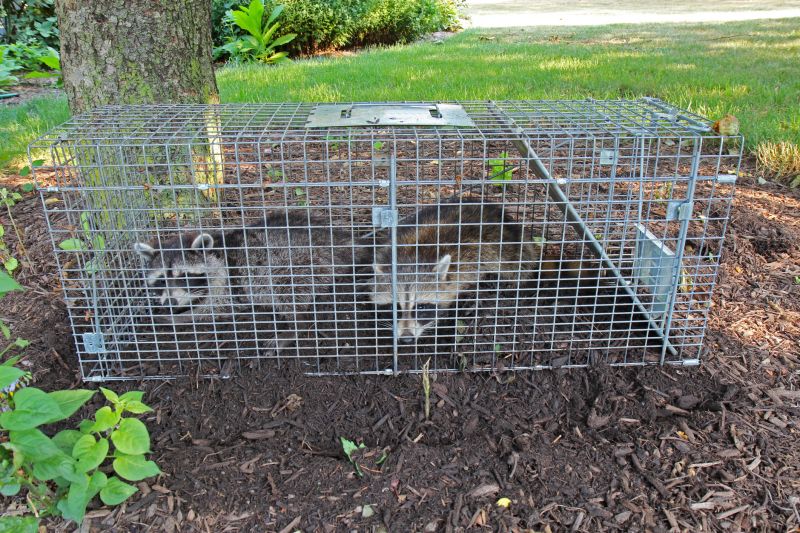
When evaluating wildlife removal services, it is important to consider the experience of local contractors with similar projects. Homeowners should inquire whether the service providers have handled wildlife issues in attics, walls, or crawl spaces before, as familiarity with these specific environments can influence the effectiveness of the removal process. An experienced contractor will understand the common signs wildlife leaves behind and can identify the type of animals involved, helping to ensure the right approach is taken for safe and humane removal.
Clear written expectations are essential when comparing local wildlife removal services. Homeowners should seek detailed information about what the process entails, including inspection procedures, exclusion methods, and cleanup practices. Having a transparent outline helps prevent misunderstandings and ensures that both parties agree on the scope of work. Reputable service providers often provide written estimates or plans that clarify what will be done, making it easier to evaluate which contractor aligns best with the homeowner’s needs.
Good communication and reputable references are key factors when choosing a wildlife removal contractor. Homeowners should look for providers who are responsive to questions and willing to explain their methods in understandable terms. Additionally, seeking references or reviews from previous clients can offer insight into the contractor’s reliability and professionalism. Reliable communication ensures that concerns about signs wildlife has moved into your attic, walls, or crawl space are addressed promptly and thoroughly, leading to a more confident decision in selecting a service provider.
Property owners often search for signs wildlife has moved into your attic, walls, or crawl space when they are planning practical projects around their homes and businesses. Local pros provide Wildlife Removal services for everyday jobs and straightforward project options.
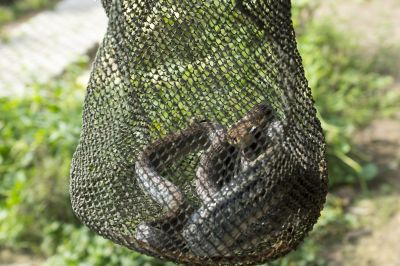
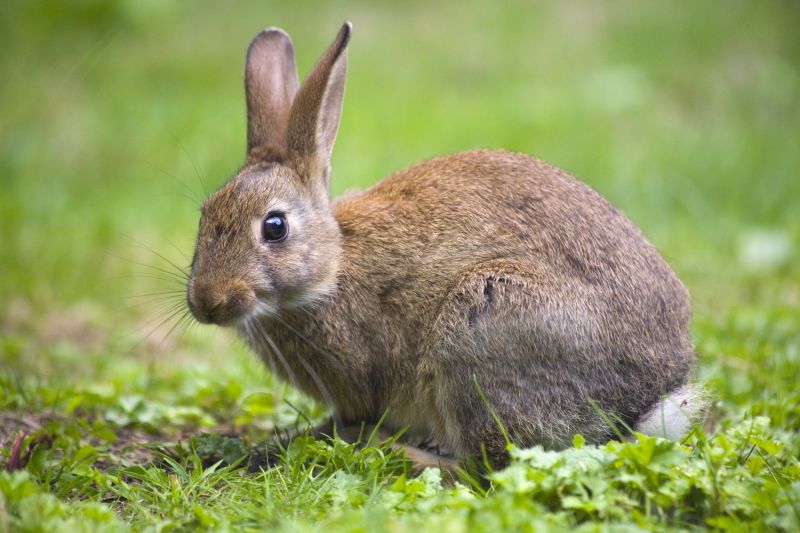
Homeowners often notice unusual sounds, such as scratching or scurrying, coming from their attic, walls, or crawl space, which can indicate wildlife has moved into these hidden areas. Additionally, signs like droppings, chewed insulation, or nests built within these spaces are common indicators that animals like raccoons, squirrels, or bats have taken up residence. Recognizing these signs early can help property owners decide when to seek assistance from local contractors experienced in wildlife removal, ensuring the problem is addressed safely and effectively.
Property owners in the area might also observe odors or find evidence of damage to wiring, vents, or structural components, which can be signs wildlife has been active inside their home. If these signs are present, it may be time to consider professional services that specialize in wildlife removal. Local service providers can assess the situation, remove the animals, and help prevent future invasions, providing peace of mind for homeowners dealing with these common issues.
What are common signs wildlife has moved into your attic, walls, or crawl space? You might notice scratching sounds, droppings, or unusual odors indicating animals have taken up residence. Other signs include damaged insulation or chewed wiring. Wildlife presence can sometimes be confirmed by visible entry points or nesting materials. Local contractors experienced in wildlife removal can help identify these signs and address the problem.
How can I tell if animals are active inside my walls or attic? Signs of activity include rustling noises, movement sounds, or sightings of animals at dusk or dawn. Droppings or urine stains may also be visible near entry points or inside the space. If you notice these indicators, wildlife removal specialists can assess the situation and safely remove the animals.
What damage do wildlife intrusions typically cause in homes? Wildlife can cause structural damage by gnawing on wood, insulation, or electrical wiring, which can lead to fire hazards. They may also leave behind droppings and urine that contribute to unpleasant odors and potential health issues. Local service providers can evaluate and repair any damage caused by wildlife entry.
Are there specific signs that indicate a certain type of animal has moved in? Yes, different animals leave distinct signs-such as small, round droppings for rodents or larger droppings and nests for raccoons. Fur or feathers may also be visible around entry points. Wildlife removal experts can identify the species and recommend appropriate removal methods.
What should I do if I suspect wildlife has moved into my home? It is advisable to contact local wildlife removal professionals who can inspect your property, confirm the presence of animals, and safely remove them. They can also help seal entry points to prevent future intrusions and advise on cleanup and repairs.
Identify Entry Points - Inspect the exterior of the property for small holes or gaps that wildlife could use to access attic, walls, or crawl space areas, and have local contractors seal them properly.
Monitor Unusual Noises - Pay attention to sounds like scratching or scurrying, which can indicate wildlife activity inside walls or ceilings, prompting professional removal.
Check for Droppings and Nests - Look for droppings, nesting materials, or damage in attic or crawl space areas as signs wildlife has moved in, and consult local service providers for cleanup.
Observe Odors and Damage - Notice persistent odors or structural damage near walls or ceilings, which may signal hidden wildlife presence needing expert removal and exclusion services.
If you are thinking about signs wildlife has moved into your attic, walls, or crawl space for a property, this guide is meant to help you understand this topic, the typical project types, and how different options might fit your plans.
When you are ready, you can use the quote form on this page to share a few details about your project. From there, local pros can review the basics and follow up with options that match what you have in mind.